


Views: 0 Author: Site Editor Publish Time: 2026-11-06 Origin: Site


Table of Contents
The global cosmetic industry is undergoing a structural shift. Recent market analyses reveal a decisive pivot in consumer behavior, moving away from aggressively stripping the skin barrier with high-strength chemical exfoliants. Today, the industry trend leans heavily toward regenerative medicine and biotechnology in daily aesthetics. Skincare enthusiasts now demand clinical-grade efficacy that prioritizes cellular longevity and structural repair without inducing inflammation or requiring extended downtime. At the forefront of this biotech revolution is the scientific buzz surrounding marine-derived DNA and its profound tissue-repairing capabilities.
While the terminology sounds highly scientific, the practical applications of Polydeoxyribonucleotide, commonly known as PDRN, are incredibly accessible. Consumers are increasingly abandoning harsh actives in favor of this biocompatible compound to rebuild the skin's fundamental matrix. This comprehensive guide explores exactly what this regenerative powerhouse is, its scientifically backed benefits, synergistic formulation matrices, and the best product applications to help you make informed purchasing decisions for long-term skin health.
Regenerative Power: Ethically derived from marine DNA, this compound functions by stimulating cellular growth and repairing damaged tissue structures from the inside out.
Multi-Faceted Benefits: Primary dermatological advantages include intense anti-aging, enhanced tissue elasticity, reduced baseline inflammation, and accelerated healing of stubborn scars.
Synergistic Formulation: This regenerative active works optimally when strategically combined with hydrating and barrier-fortifying ingredients like Hyaluronic Acid, Niacinamide, and Peptides.
Versatile Applications: Originally utilized exclusively in clinical settings, it is now widely accessible in topical serums, concentrated ampoules, and targeted overnight treatments.
High Safety Profile: Because its base pairs closely mirror human DNA, it remains highly stable, non-irritating, and effective for sensitive, reactive, and mature skin types.
To truly understand the value of this marine-derived ingredient, we must look past the marketing buzz and examine the biological mechanisms at play. From a formulation engineering perspective, it is not merely a surface-level moisturizer. It acts as a fundamental structural regenerator.
Polydeoxyribonucleotide is a naturally occurring building block of DNA. In the context of cosmetics and regenerative medicine, it is ethically extracted and rigorously purified from the reproductive cells of salmon or trout. The extraction process utilizes high-heat purification, ensuring that all active proteins and peptides that could potentially trigger an immune response are completely removed. What remains is a pure, highly active DNA fragment.
Dermatological researchers utilize this specific marine DNA because its base-pair structure closely matches human DNA. This remarkable biological compatibility means that when applied to your face or neck, your body readily recognizes the compound. The skin absorbs and utilizes these fragments efficiently for its own cellular repair processes, drastically minimizing the risk of allergic reactions.
At a microscopic level, this compound acts as both a cellular blueprint and a supplier of raw materials. When you massage a DNA-infused serum into your skin after a double cleanse, the molecules selectively bind to specific cellular receptors known as adenosine A2A receptors.
Activating this receptor triggers a cascade of positive biological reactions. First, it actively reduces the secretion of pro-inflammatory cytokines, acting as an internal fire extinguisher for irritated skin. Furthermore, it triggers the salvage pathway, allowing cells to repair their own DNA and synthesize new collagen fibers without expending excessive cellular energy. Finally, it promotes angiogenesis, which is the formation of microscopic new blood vessels. This improved localized microcirculation ensures that compromised tissues receive the oxygen and nutrients required for optimal turnover.
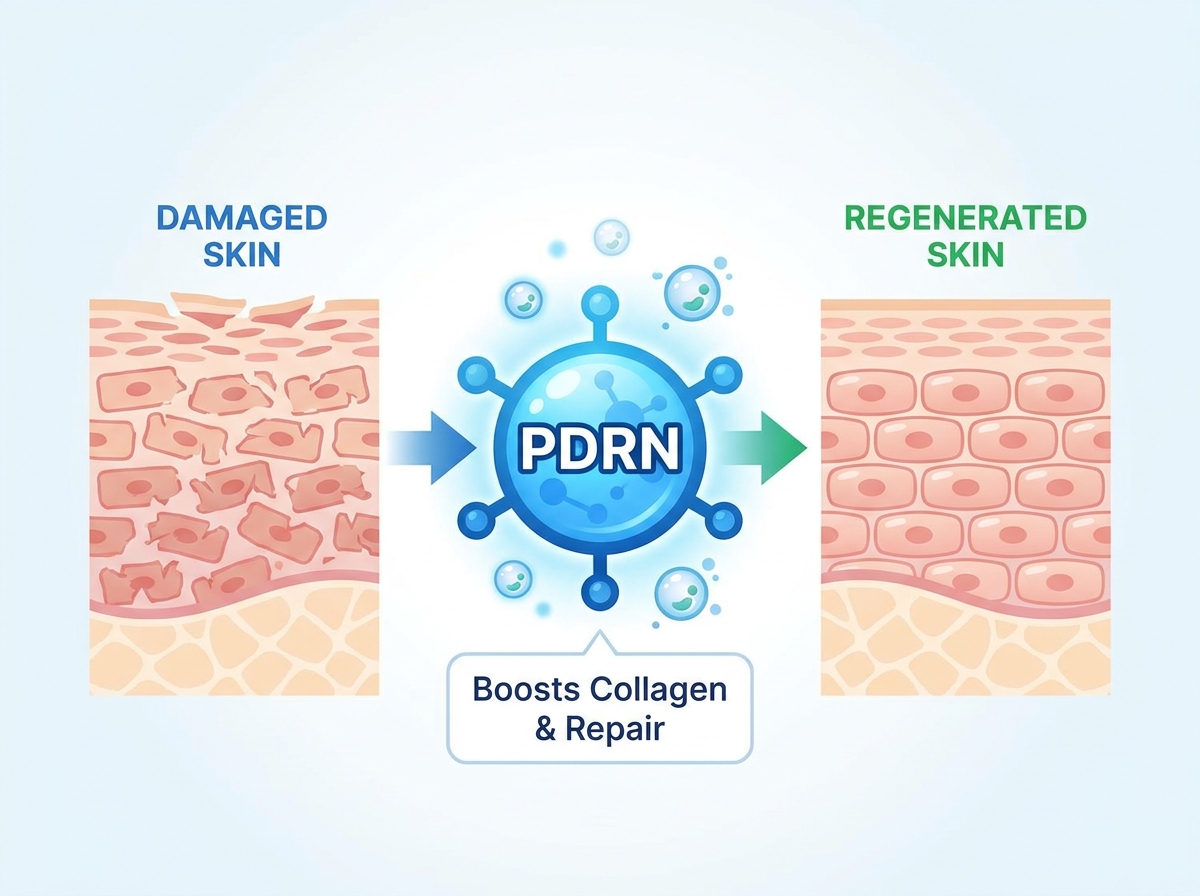
The transition of this ingredient from medical burn wards to daily cosmetic routines is driven by its extensive, evidence-based benefits. It offers a multifaceted approach to skin health that goes far beyond basic hydration.
One of the primary reasons consumers seek out regenerative DNA treatments is their documented ability to combat the structural signs of aging. By directly boosting the activity of fibroblasts, the compound helps to rebuild the skin's underlying dermal matrix. Consistent application leads to a visible reduction in the depth of fine lines and deep-set wrinkles. As structural integrity is restored, users often notice a firmer, more lifted appearance that successfully resists gravitational sagging.
Before entering the cosmetic space, this compound was extensively utilized in clinical settings to treat severe burns, diabetic foot ulcers, and tissue grafts. That profound healing capacity translates exceptionally well to your daily vanity table. For individuals dealing with post-inflammatory hyperpigmentation, indented acne scars, or a compromised barrier caused by over-exfoliation, it accelerates the re-epithelialization process. It encourages the skin to close micro-wounds and replace damaged tissue at a much faster rate than the body could achieve independently.
Beyond surface-level moisture, this ingredient significantly improves the skin's internal microenvironment. By repairing the cellular matrix and enhancing blood flow, it helps the skin function at its peak. Healthier skin naturally retains moisture more effectively, drastically reducing transepidermal water loss. Consequently, users frequently report a plumper, smoother, and more refined complexion, boasting a glass-like finish with a noticeable reduction in dry, flaky patches.
For those suffering from chronic reactivity, finding effective anti-aging ingredients can be a frustrating endeavor. Because this marine-derived DNA actively suppresses inflammatory pathways, it acts as a powerful soothing agent. It helps to calm persistent redness, soothe the symptoms of rosacea, and fortify the skin against daily environmental stressors like UV radiation and urban pollution.
While marine DNA is a powerhouse on its own, formulating it alongside complementary active ingredients can exponentially increase its efficacy. Advanced skincare chemistry relies heavily on ingredient synergy.
Hyaluronic Acid is a renowned humectant capable of holding up to one thousand times its weight in water. When combining the tissue-building power of regenerative DNA with the intense moisture-binding properties of Hyaluronic Acid, the result is a profound plumping effect. The humectant provides the immediate, watery hydration necessary for a healthy cellular environment, while the structural compound works beneath the surface to permanently repair the skin's architecture.
Peptides are short chains of amino acids that serve as messengers, signaling the skin to produce more collagen. When paired together, peptides initiate the request for collagen, while the DNA fragments provide the actual cellular energy and raw materials needed to fulfill that request. Simultaneously, ceramides act as the mortar between your skin cells. Including ceramides in these formulations ensures that the newly regenerated skin barrier is sealed, fortified, and protected from external aggressors.
Niacinamide is a highly versatile antioxidant known for its ability to regulate sebum production, strengthen the lipid barrier, and fade dark spots. By pairing Vitamin B3 with cellular regenerators, formulations can simultaneously address structural aging and surface-level tone irregularities. This combination enhances overall brightening effects, resulting in a more even, radiant, and youthful complexion without causing irritation.
Navigating the modern beauty market requires understanding how different ingredients achieve their results. To clarify its unique position, the following table compares this marine-derived innovator to standard industry staples.
Active Ingredient | Primary Mechanism | Impact on Skin Barrier | Irritation Potential |
|---|---|---|---|
PDRN | Cellular repair and structural regeneration via receptor activation. | Strengthens and thickens the dermal matrix. | Very Low |
Retinol | Accelerates cellular turnover through forced exfoliation. | Can thin the stratum corneum initially, requiring acclimation. | High |
Vitamin C | Neutralizes free radicals and inhibits melanin synthesis. | Protects against oxidative stress but offers minimal structural repair. | Moderate |
Exosomes | Acts as a messenger vesicle to alter cellular behavior. | Supports repair, though topical stability remains a formulation challenge. | Low |
As the demand for pro-aging solutions grows, formulators have adapted this ingredient into various formats to suit different consumer needs, lifestyles, and aesthetic goals.
This ingredient first gained global recognition through clinical micro-injections popularized in advanced dermatology clinics. While injections deliver the active compound directly into the dermis for rapid results, they involve needles, physical discomfort, downtime, and high costs. Thanks to advanced delivery systems like liposomal encapsulation, the industry has successfully pivoted. At-home topical products now offer a convenient, pain-free, and highly effective way to experience cellular repair daily.
For those looking to target specific concerns like post-breakout marks or overall dullness, high-concentration serums and ampoules are ideal. These lightweight, fast-absorbing liquids are designed to be patted into the skin immediately after cleansing and toning. Because they possess smaller molecular weights, serums penetrate deeply, delivering a concentrated dose of repair directly to the cellular matrix before heavier creams are applied.
For deeper nourishment, the compound is heavily utilized in richer, occlusive formulations. Infused sleeping masks and heavy moisturizers are engineered for overnight repair, taking full advantage of the body's natural circadian rhythm when cellular regeneration peaks. Specifically, it is increasingly found in localized treatments designed for hard-to-treat areas. Utilizing a high-quality PDRN neck massage cream can deliver concentrated structural support precisely where the skin is thinnest and most vulnerable.
When discussing comprehensive anti-aging, the neck is frequently neglected, yet it is almost always the first area to reveal a person's true age. Regenerative ingredients have proven to be a game-changer for this specific anatomical zone.
The skin on your neck is structurally different from the skin on your face. It is significantly thinner, contains far fewer sebaceous glands, and has less supportive fatty tissue. This makes it highly susceptible to chronic dryness, rapid loss of elasticity, and cumulative UV damage. Additionally, modern lifestyle habits have introduced "tech neck," which refers to the deep horizontal wrinkles caused by constantly bending our heads down to look at smartphones. Because this skin is so fragile, aggressive treatments like high-strength retinol are often too irritating, making gentle, biocompatible regenerators absolutely essential.
To combat these specific challenges, skincare innovators have developed highly targeted solutions. A prime example of this engineering is the integration of physical massage tools directly into the packaging. By formulating the regenerative compound into a rich cream equipped with a built-in V-shaped dual roller massage head, users experience compounded benefits. Biologically, the formula, often enriched with peptides and high-purity Sodium DNA, works to boost collagen and smooth deep horizontal creases. Physically, the ergonomic roller design boosts lymphatic drainage, reduces fluid puffiness, and aids in the deeper penetration of the active ingredients. This creates a comprehensive solution for firming and lifting the delicate décolletage area.
With the market rapidly flooding with new biotech innovations, selecting a high-quality product requires careful consideration. Here are the concrete criteria for making an informed, results-driven purchase.
When reviewing a new product, always analyze the ingredient list. In cosmetic chemistry, this compound is most frequently listed as "Sodium DNA." To ensure you are purchasing an effective treatment rather than a marketing gimmick, look for Sodium DNA placed relatively high on the ingredient list. Brands that transparently state their extraction methods and guarantee high purity levels will consistently yield the best regenerative results.
The effectiveness of DNA fragments depends heavily on how well they penetrate the skin. Look for products that utilize liposomal encapsulation technology, which protects the active molecule and carries it deeper into the epidermis. Alternatively, products that incorporate physical massage applicators actively enhance localized microcirculation, drastically improving absorption rates.
Active ingredients rarely work best in a vacuum. The most effective skincare products blend regenerative DNA with synergistic compounds. If your goal is deep hydration, look for a serum formulated with multiple molecular weights of Hyaluronic Acid. If you are battling severe dryness, mature skin, or deep structural wrinkles on the body, opt for rich, localized formulations. Choosing targeted neck care solutions ensures prolonged contact and maximum absorption where your skin needs structural reinforcement the most.
The integration of marine-derived DNA in skincare offers remarkable, scientifically backed cellular regenerative benefits. By operating at a microscopic level, it effectively heals compromised barriers, deeply hydrates, and reverses the visible signs of aging without the irritation associated with traditional exfoliants. This ingredient supports structural repair from within, ensuring that your skin does not just look younger temporarily, but actually behaves younger biologically.
High-quality topical formulations now ensure that long-term skin health and resilience are accessible at home. It is undeniably a vital addition to any serious pro-aging routine. If you are ready to elevate your daily regimen or source innovative products for your brand, exploring offerings from a premium skincare manufacturer is the ideal next step. Embrace the future of biocompatible skincare and invest in your skin's cellular longevity today.
Yes. Because it is highly biocompatible with human DNA base pairs and possesses strong, medically documented anti-inflammatory properties, it is exceptionally safe. It is frequently recommended by dermatologists specifically for soothing sensitive, reactive, or post-procedure skin that cannot tolerate harsh actives.
No. The ingredient is ethically derived and purified from the reproductive DNA of salmon or trout. Therefore, it is a marine-derived, animal-based ingredient and does not qualify as vegan, although reputable brands ensure it is cruelty-free in its extraction methods.
While the deep hydration, plumping, and soothing effects can be felt almost immediately upon application, true structural changes require patience. Visible wrinkle reduction, improved tissue elasticity, and scar healing typically take four to eight weeks of consistent, daily use, as it takes time for cellular regeneration and new collagen production to fully manifest.
Yes, absolutely. It is actually an excellent companion to harsher active ingredients like Retinol or exfoliating chemical acids. Because the DNA fragments actively repair the skin barrier and reduce inflammation, applying them together helps mitigate the irritation, redness, and dryness often caused by potent exfoliants.
There is functionally no difference for the consumer. In official cosmetic ingredient nomenclature, the compound is most commonly listed under the standardized name "Sodium DNA." If you see Sodium DNA on the back of your product label, you are receiving the exact regenerative benefits discussed in this guide.
Yes. By binding to specific adenosine receptors on the cell surface, it directly stimulates fibroblasts, which are the cells responsible for producing collagen and elastin. This process provides the cellular energy and raw materials necessary to rebuild the dermal matrix from within.
It is highly effective for acne scar recovery. Its original medical application was for wound healing and tissue repair. When applied to acne scars, it accelerates re-epithelialization and promotes healthy tissue regeneration, significantly improving the texture and depth of indented scars over time.


